
Branding
Printed or pad-printed logo, sticker placement and custom hang tags.
PRIVATE LABEL / OEM / ODM
From a carefully chosen existing toy to a new product concept, build the project around your audience, your positioning and a specification everyone can approve.
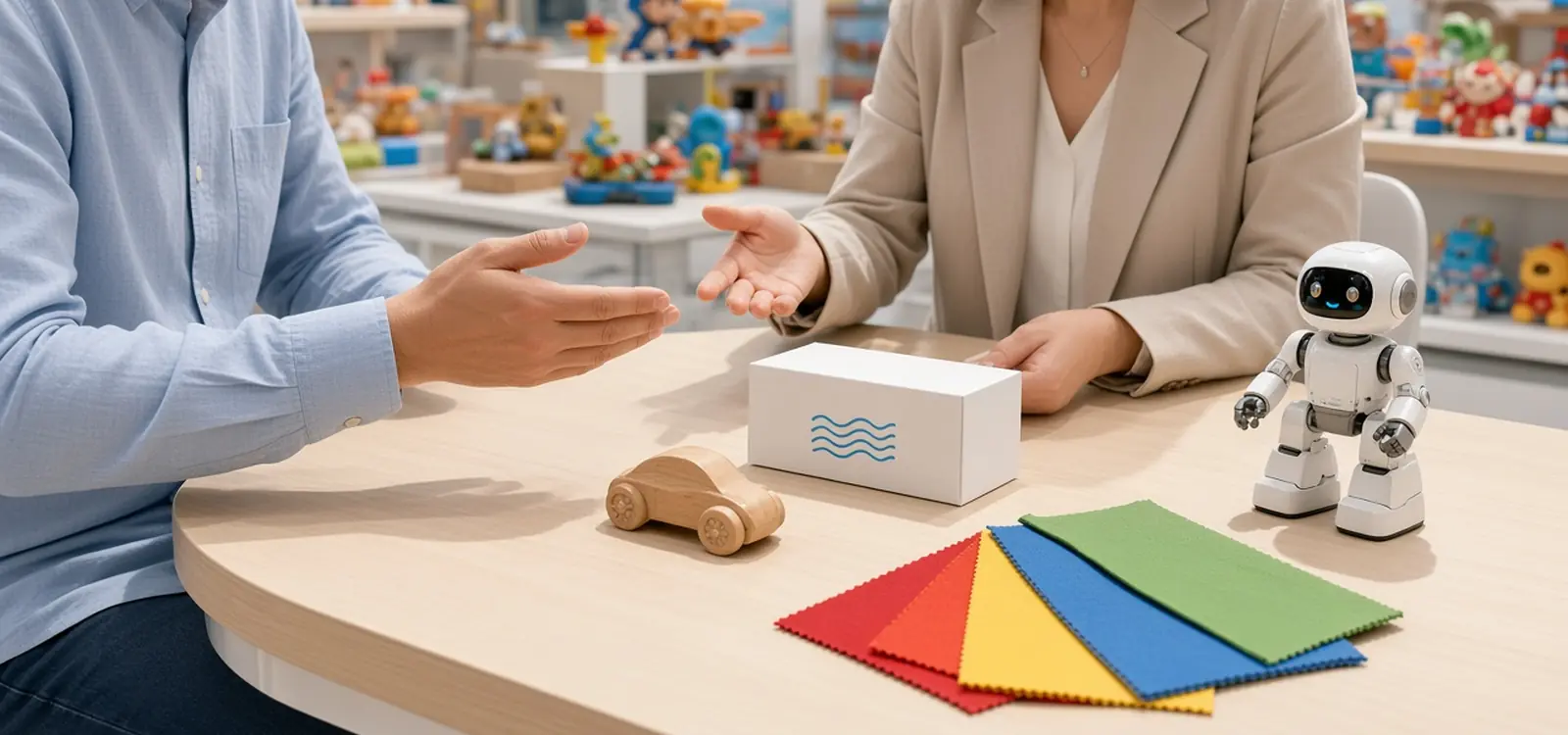
LIGHT CUSTOMISATION
An existing model can be a practical foundation for a new range. Depending on the product, options may include colour selection, a printed logo, branded packaging, instruction design and a revised accessory assortment.
We review feasibility with the product and production team. Share your artwork, colour references, sales market and intended quantity. Tooling constraints, material choice and the printing method affect what is possible.
The approval should cover more than a visual mock-up: check the physical sample, print placement, pack fit, barcode position and final instructions. Minimum quantities and development costs are confirmed for the selected specification.
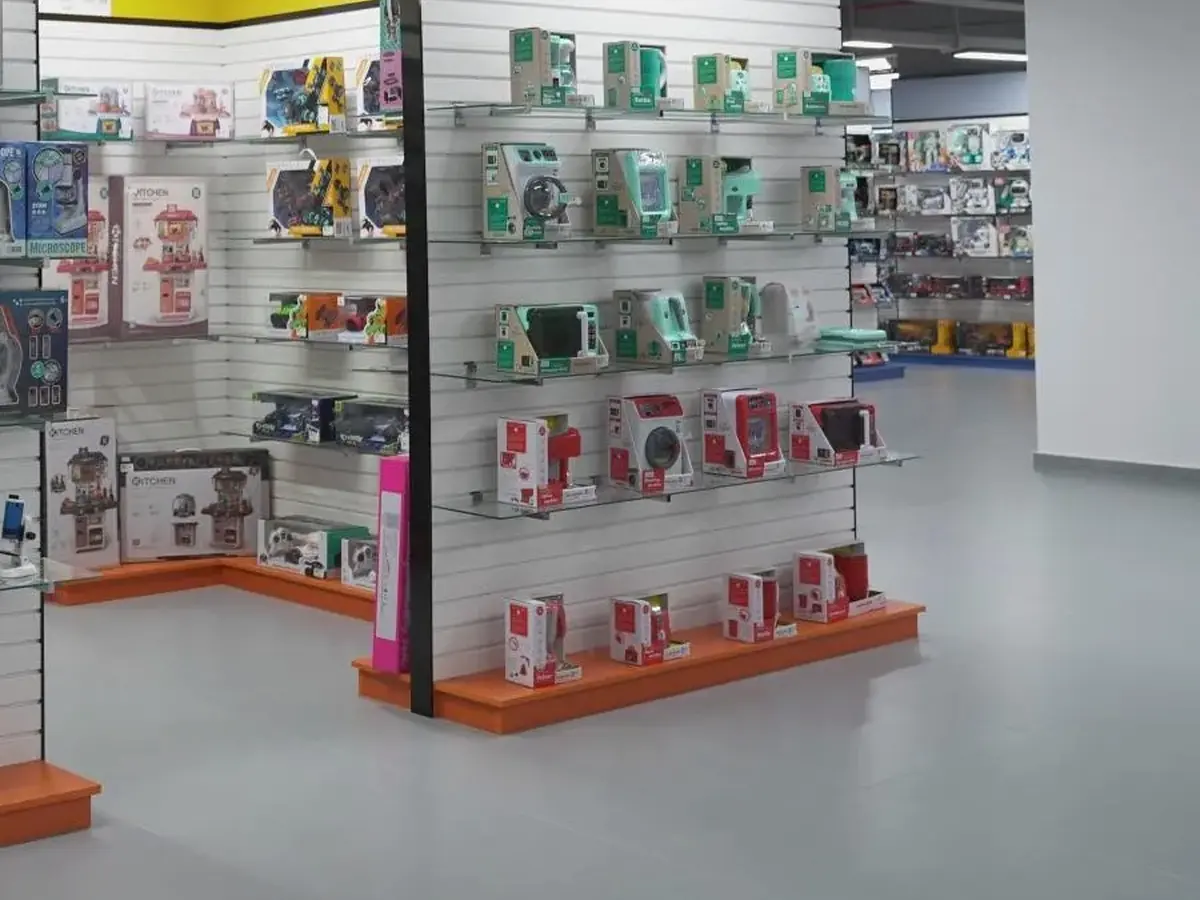
CUSTOMISATION MENU
Options vary by product and factory; feasibility, MOQ and unit-cost effect are confirmed against the chosen item.
Printed or pad-printed logo, sticker placement and custom hang tags.
Custom colourway from a Pantone reference where order volume supports the run.
Colour box, window box, blister card, header card and gift-set configuration.
Multi-language boxes, manuals and inserts—English, Spanish and other languages.
UPC-A (GTIN-12) or EAN-13 (GTIN-13), positioned and printed using your supplied identifier.
Revised accessory assortment, added parts or sound files, including Spanish voice ICs.
DEEPER DEVELOPMENT
A new concept starts with the play experience and commercial brief. Define the intended user, core functions, material expectations, target cost and launch timing before deciding how much new development is needed.
Our company’s design and manufacturing experience can support product development alongside specialist mould and production partners. We discuss concept refinement, prototyping, sample review and production preparation as distinct stages.
Confirm ownership and permitted use of artwork, designs, tooling and any licensed characters in the project agreement. Establish who approves each milestone, what is included in the development fee and how changes will be handled.
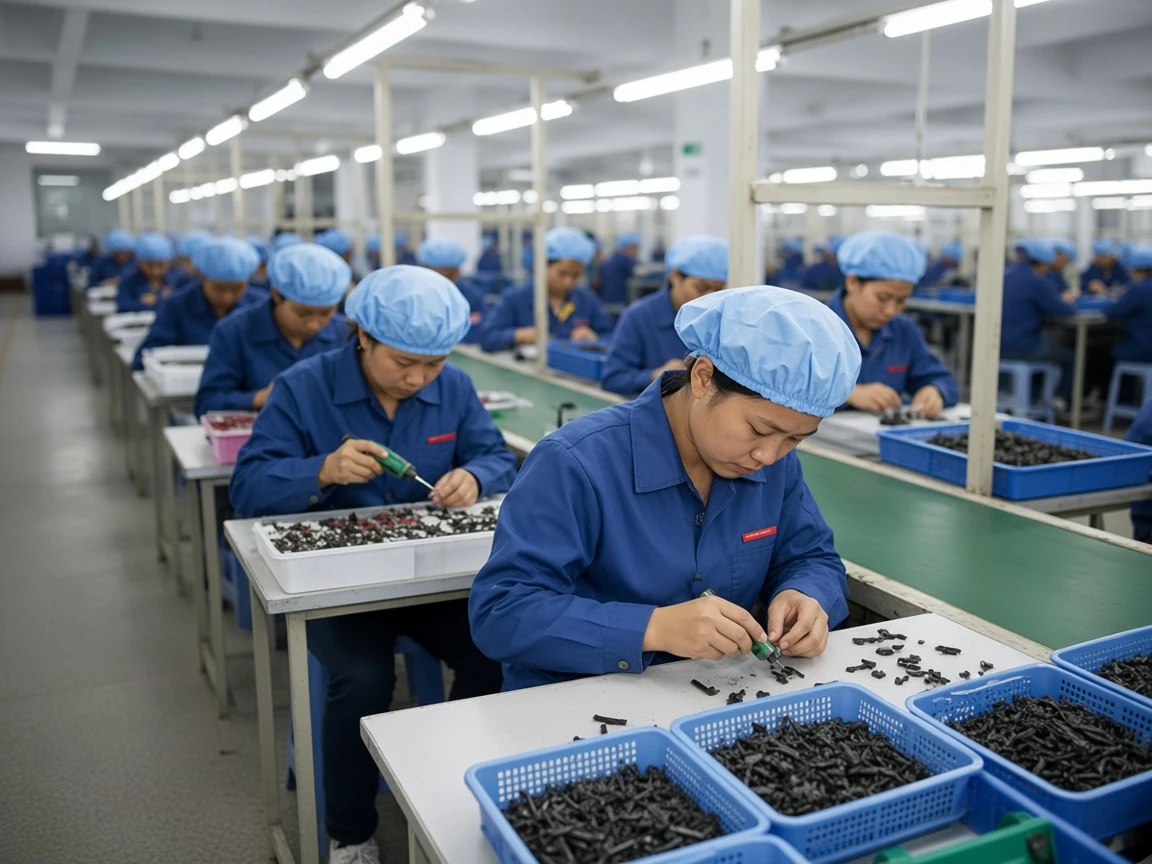
YOUR DEVELOPMENT ROADMAP
Share drawings, reference products, target market and planned quantities. Identify the required function and commercial constraints.
Review appearance, construction, play function and material selection. Record changes and any additional evaluation required.
Approve the final physical sample, pack design, instructions and agreed test scope. Confirm the production specification in writing.
Follow the agreed production and inspection plan. Review packing information and authorise release against the order conditions.
WHAT MAKES A USEFUL FIRST BRIEF?
The product
Sketches, reference images, intended age, core function and any material or design constraints.
The business
Sales country, channel, target retail or purchase price, expected order quantity and timing.
The deliverables
Logo, packaging languages, instructions, image requirements and the approvals needed from your team.
A LITTLE CLARITY
Yes, this is the most common starting point. We take an approved current model and apply your logo, colour box or blister card, inserts and barcode, with MOQ and any plate or tooling costs quoted for the final design.
Custom MOQ depends on the product and on what changes—packaging-only changes generally start lower than colour or material changes, and new tooling sits higher again. There is no single figure; it is calculated around the selected specification.
Vector AI, EPS or print-ready PDF with outlined fonts, plus colour references (Pantone where possible) and barcode numbers. We confirm dielines, print placement and language versions before plates are made.
The brand owner normally provides the GS1-assigned product identifier. Confirm the retailer's required format, such as UPC-A carrying a GTIN-12 or EAN-13 carrying a GTIN-13. We can position and print the supplied barcode and check the artwork before production.
Ownership, permitted use and cost recovery for moulds, tooling and developed artwork are defined in the project agreement before work starts, along with how later changes are handled.
Light customisation moves at packaging and production speed; new-tool development adds concept, prototype and sample-approval stages. The schedule is agreed per brief and seasonal launches are planned backward from the delivery date.
Yes. We support multilingual colour boxes, manuals and inserts, including Spanish for Spanish-speaking markets. Recorded-voice changes are available on selected sound models, with feasibility, recording cost and MOQ confirmed per model. Brazil generally requires Portuguese rather than Spanish.
THE NEXT GOOD THING STARTS WITH A CONVERSATION
Send a shortlist, a target price or an idea. Let’s give it a practical route forward.
Let’s build your assortment